Enhancing Daily Life with Water Softeners

Hard water is a common issue in many households, with minerals like calcium and magnesium often affecting daily routines and overall home efficiency. Homeowners seeking ways to overcome these challenges can achieve significant improvements by working with water softener installation experts in Vernal, Utah. From reducing appliance wear to improving the comfort of your living space, water softeners provide practical solutions to complex water problems.
Understanding the direct effects of hard water and the role of water softeners helps householders not only safeguard their investments but also enhance their everyday well-being. Choosing the right water softener is a reliable step towards cleaner living and healthier habits for the whole family.
Understanding Hard Water and Its Effects
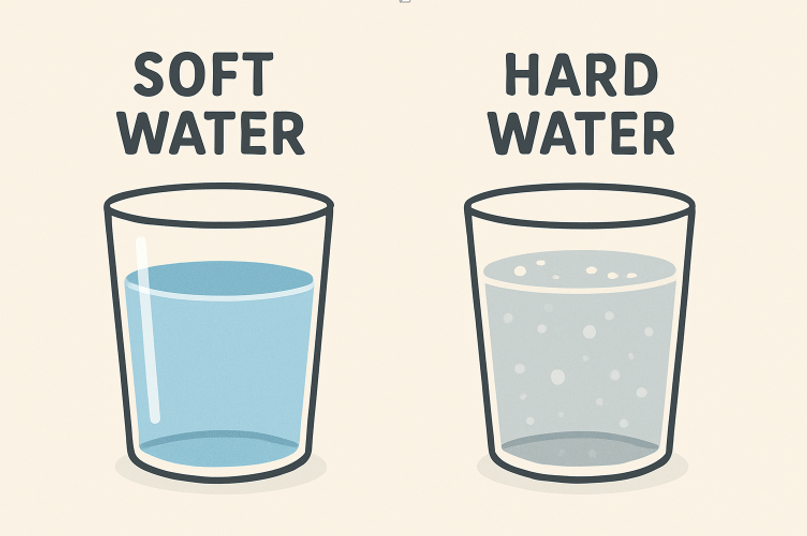
Hard water contains elevated concentrations of minerals, specifically calcium and magnesium. While not hazardous to health, these minerals can affect home water systems and cause various inconveniences. In the long run, mineral deposits in pipes and appliances can reduce efficiency and lead to costly repairs. Homeowners may also notice that hard water leaves a film on glassware, dulls the vibrancy of clothing, and causes dry, irritated skin after bathing.
The impact of hard water is not limited to plumbing. The minerals interact with soaps and detergents, impeding their ability to lather and rinse cleanly. This means more soap is needed for the same cleaning tasks, and residue is often left behind. According to the U.S. Geological Survey, over 85 percent of the United States has hard water, making it a widespread concern for homeowners nationwide.
Benefits of Installing a Water Softener
Extended Appliance Lifespan
A primary advantage of water softeners is their ability to shield home appliances from mineral accumulation. Appliances such as dishwashers, washing machines, and especially water heaters perform better and last longer when unburdened by hard water scale. This translates into fewer repair needs and a longer useful life for essential household equipment. Over time, the cost savings from avoided maintenance and replacements can be substantial.
Improved Skin and Hair Health
Families who transition to soft water often notice an immediate improvement in how their skin and hair feel. Without excess minerals stripping away natural oils, skin remains softer and less prone to dryness. Hair becomes more manageable and shines with renewed luster, making personal care routines easier and more satisfying. These improvements can be particularly noticeable for those with sensitive skin or eczema.
Enhanced Cleaning Efficiency
Soft water significantly boosts the performance of soaps, shampoos, and detergents. With minerals out of the way, cleaning agents can fully dissolve and lather, leaving dishes cleaner, clothes brighter, and surfaces throughout the house sparkling. Lower detergent use means less money spent on cleaning products and less buildup of residue. Softened water also helps prevent unsightly stains on fixtures, tile, and glassware, reducing the elbow grease needed for regular cleaning.
Increased Energy Efficiency
Mineral deposits in water heaters and other appliances act as insulating barriers, forcing these units to work harder and use more energy. By softening the water, this buildup is prevented, improving heating efficiency and saving energy. Reduced energy demands help lower monthly bills and support responsible household energy consumption. In the long run, well-maintained, efficient appliances are better for both families and the environment.
Environmental Benefits
Installing a water softener helps households use significantly less detergent and cleaning products, because soft water lathers more effectively and removes residue with minimal effort. Reduced soap usage means fewer chemicals entering local wastewater systems, lowering environmental strain on treatment facilities and surrounding ecosystems. Soft water also prevents scale buildup in pipes and appliances, improving efficiency and extending their usable lifespan. By reducing premature appliance replacement, limiting maintenance needs, and reducing chemical waste, water softening systems contribute to long-term sustainability while helping households effectively lower costs and shrink their overall environmental footprint.
See also: Reducing Stress During the Home Selling Process
Considerations Before Installing a Water Softener
Before committing to a water softener, it is important to determine the hardness level of your local water supply. Most hardware stores offer easy-to-use test kits, or homeowners can consult a local expert for a professional assessment. Understanding the specific needs of your household, such as water usage and family size, will help in choosing the most effective and efficient softener model. Professional guidance ensures the system meets your home’s requirements and can help you avoid unnecessary expenses.
Conclusion
Incorporating a water softener into your home is a wise investment that enhances comfort, efficiency, and long-term sustainability. By reducing the effects of hard water, you help extend the lifespan of appliances, minimize mineral buildup in plumbing, and improve the performance of soaps and detergents. Softer water can also benefit skin and hair health, creating a more comfortable daily living experience for your family. In addition to personal advantages, water softeners reduce energy consumption and chemical usage, contributing to a cleaner environment. Whether driven by cost savings or improved well-being, this upgrade delivers lasting value.