Smart Ways to Prevent Common Plumbing Problems at Home

Maintaining your home’s plumbing system can save time, money, and stress. Being proactive is the best way to avoid the hassle of leaks, clogs, and water damage. Simple habits and smart upgrades are all it takes to keep drains clear, pipes flowing, and problems at bay. If trouble does strike, quick access to burst pipe emergency repair services in Utah can make a huge difference in minimizing damage and getting your household back to normal quickly.
Taking a few moments each month to check your plumbing and making small improvements can prevent emergencies, extend your plumbing system’s lifespan, and lower water bills. Proper usage and timely maintenance are your strongest allies against most household plumbing problems. These smart, simple practices create a safer and more efficient living space for your family. Knowing what to look for and what to avoid will give you peace of mind and help you protect your investment.
Regular Inspections
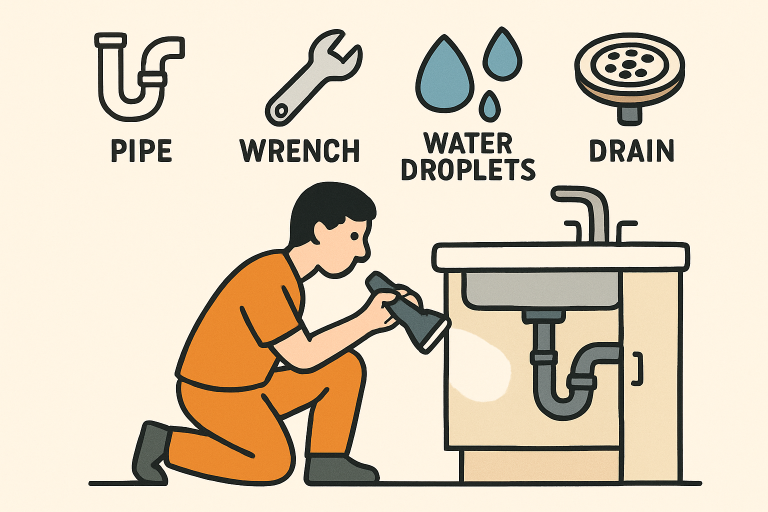
Inspecting your plumbing regularly is the most effective way to catch issues early. Periodic checks for leaks under sinks, around appliances, and at exposed pipes help reveal small problems before they become serious. Rust stains, corrosion, and unusual noises can signal the start of trouble. Getting ahead of these issues means less risk of water damage and fewer costly emergency repairs. Routine inspections save homeowners from expensive nightmares and costly insurance claims.
Proper Disposal Habits
Clogs and backups are often the result of incorrect disposal habits. Only human waste and toilet paper should ever be flushed down toilets. Avoid flushing wet wipes, dental floss, feminine products, or paper towels, as these items do not dissolve fully and can cause major blockages. When it comes to kitchen sinks, never pour grease or oil down the drain, since these substances harden as they cool and stick to the inside of pipes, contributing to persistent and difficult-to-clear clogs. According to EPA guidelines, incorrect disposal can shorten the lifespan of your plumbing and septic system.
Drain Maintenance
Regular drain maintenance goes a long way in preventing plumbing problems. Use drain covers and strainers in all showers, bathtubs, and kitchen sinks to catch hair and food debris before they enter your pipes. Every few weeks, pour hot water down drains or use a mixture of baking soda and vinegar to dissolve minor buildups. This gentle, non-corrosive approach can keep plumbing clear and reduce reliance on harsh chemical drain cleaners, which often do more harm than good.
Pipe Insulation
Pipe insulation is especially important in homes with plumbing running through basements, garages, crawl spaces, or attics. Freezing temperatures can cause unprotected pipes to burst, resulting in major flooding and water damage. Foam sleeves or fiber insulation wrap are affordable and easy to install, providing an extra layer of protection that is essential in cold climates.
Water Pressure Monitoring
High water pressure can quietly damage plumbing over time. A simple pressure gauge is an inexpensive tool that allows you to check your home’s water pressure using any outdoor spigot. Water pressure above recommended levels can stress fittings, joints, and hoses, increasing the chance of leaks and pipe bursts. Installing a pressure-reducing valve if the pressure is over 80 psi helps regulate flow and protect your plumbing system from potential issues.
Water Heater Maintenance
Water heaters require regular attention to operate efficiently. Once or twice a year, drain a few gallons from the tank to remove sediment that can build up and reduce heating efficiency. Inspect for signs of leaks or rust, and make sure the temperature is set at the recommended level to prevent scalding and extend the heater’s life. A well-maintained water heater is less likely to develop leaks or fail unexpectedly, ensuring your family always has hot water when it is needed.
See also: Reducing Stress During the Home Selling Process
Installing Water Softeners
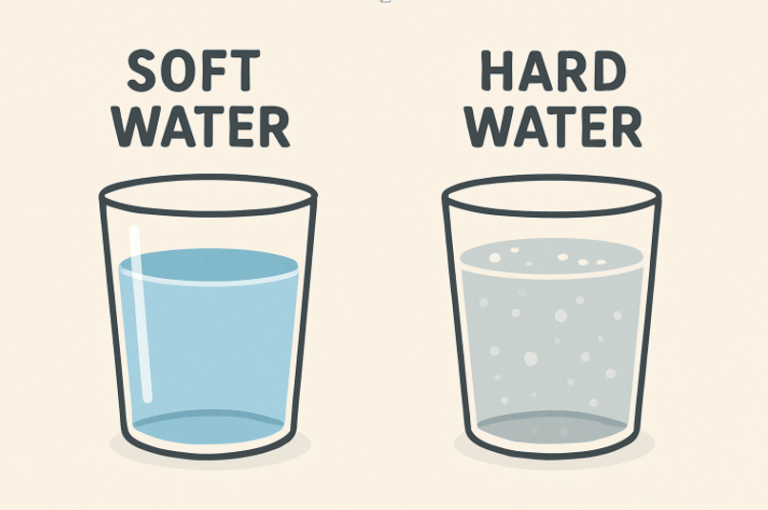
Hard water is a frequent cause of pipe scaling and reduced water flow. Mineral deposits from hard water can accumulate inside pipes, fixtures, and appliances, slowly reducing efficiency and increasing energy use. A water softener removes these minerals, preserving both your plumbing and the lifespan of dishwashers and washing machines. If you notice white, chalky stains on faucets or spotty dishes, it may be time to consider this smart upgrade.
Seeking Professional Assistance
Even with the best preventative habits, some plumbing jobs are best left to the experts. Licensed plumbers have the training and equipment to address complex problems such as main line blockages, sewer backups, and hidden leaks. Scheduling annual inspections with a professional ensures that your entire system is working as intended and provides peace of mind. When emergencies strike, such as a burst pipe, fast action from a trusted plumber can prevent long-term damage to your home and belongings.
Staying alert and proactive will help you avoid the headaches of common plumbing issues. From regular maintenance to smart use and timely professional support, these strategies are key to a reliable, safe plumbing system for your household.