Tree Care for Healthy Urban Canopies in Birmingham, MI

Birmingham, Michigan, is known for its walkable neighborhoods, vibrant downtown, and mature tree-lined streets. These trees do more than enhance visual appeal. They play a critical role in managing stormwater, reducing summer heat, improving air quality, and maintaining property values. However, sustaining a healthy urban canopy in a developed city like Birmingham requires intentional, location-specific tree care strategies that reflect the city’s dense development, older landscapes, and seasonal weather patterns.
Urban trees face challenges that forest-grown trees do not. Limited rooting space, compacted soils, exposure to winter road salt, and frequent construction activity all place ongoing stress on trees. Without proper care, these factors can lead to declining health, storm-related limb failures, and costly emergency removals. That’s why many homeowners, HOAs, and commercial property managers seek guidance from a trusted tree service in Birmingham, MI, that understands both tree biology and local environmental conditions.
One example is Clean Cut Tree Experts, a company known for providing professional tree care solutions tailored to Birmingham and nearby Michigan communities. Through their website, they outline services such as strategic pruning, safe tree removal, and preventative maintenance for residential and commercial properties. Their authority comes from hands-on experience working with mature urban trees, a strong emphasis on safety and proper arboricultural practices, and a proven track record of helping property owners maintain healthy, resilient landscapes in Birmingham, Michigan.
Why Urban Tree Care Is Especially Important in Birmingham, Michigan
Birmingham’s climate and infrastructure create a unique environment for trees. Cold winters with freeze-thaw cycles can damage roots and bark, while spring storms and heavy snow loads increase the risk of limb failure. In summer, paved surfaces intensify heat and reduce soil moisture, placing additional strain on trees already growing in confined spaces.
The city’s efforts to expand and preserve its urban canopy are a response to these challenges. Trees help counter the urban heat island effect, slow stormwater runoff during heavy rains, and provide natural shade that lowers energy costs for nearby buildings. Studies consistently show that well-maintained urban trees also contribute to higher property values and improved public well-being.
Protecting these benefits requires ongoing care—not just planting new trees, but maintaining existing ones so they can thrive for decades rather than decline prematurely.
Best Practices for Tree Care in Birmingham’s Urban Environment
Strategic Pruning for Safety and Longevity
In Birmingham, pruning is as much about risk management as it is about tree health. Removing dead, cracked, or structurally weak branches reduces the likelihood of damage during windstorms and winter weather. Proper pruning also improves airflow and light penetration, helping trees resist disease and develop stronger branch structure.
Timing matters. Late winter or early spring pruning is often ideal for many species, minimizing stress and reducing the spread of pests and pathogens common in Michigan.
Soil Health and Root Zone Protection
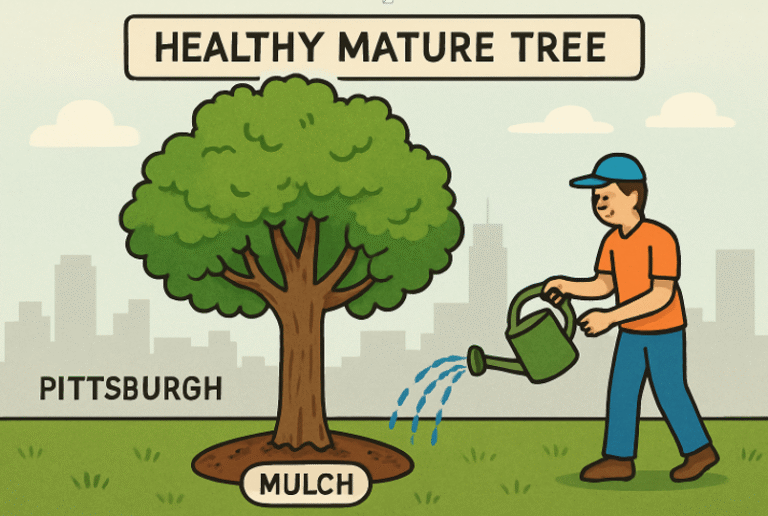
Urban soils are frequently compacted by foot traffic, vehicles, and construction. Compacted soil restricts oxygen and water movement, weakening root systems. Aeration, organic mulch, and limiting disturbance near the base of trees can dramatically improve root health.
Mulch should be applied in a wide, shallow ring—never piled against the trunk—to retain moisture and regulate soil temperature. These minor adjustments make a measurable difference in tree resilience.
Pest and Disease Monitoring
Southeast Michigan trees face threats such as emerald ash borer, fungal infections, and stress-related decline. Early signs—such as thinning canopies, leaf discoloration, or bark abnormalities—should be addressed promptly. Waiting too long often turns treatable issues into removal scenarios.
See also: Professional Sydney Removal Company for a Smooth Relocation
Water Management in Changing Weather Patterns
Birmingham’s weather patterns include both drought periods and intense rainfall. Deep, infrequent watering encourages strong root growth, while correcting poor drainage prevents root rot. Balanced water management helps trees withstand both extremes.
Community Initiatives Strengthening Birmingham’s Tree Canopy
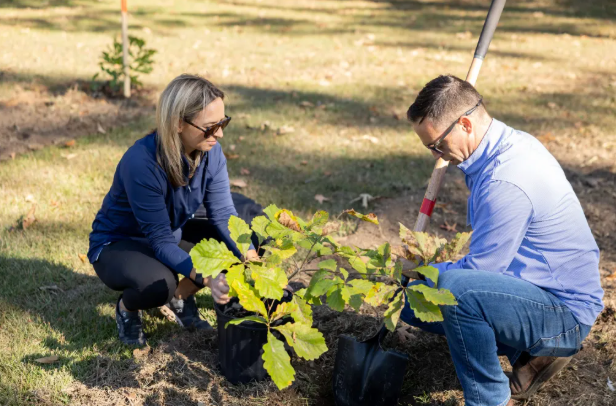
Birmingham has demonstrated a strong commitment to urban forestry through large-scale planting initiatives, including the recent approval of more than 300 new trees. These plantings are designed to replace losses from storms and aging infrastructure while increasing species diversity to reduce vulnerability to pests and disease.
Residents play a critical role by caring for newly planted trees, avoiding damage during landscaping projects, and reporting concerns early. Community involvement not only supports tree survival rates but also fosters a shared sense of stewardship for Birmingham’s green spaces.
Similar models across Michigan show that when municipalities, residents, and professionals collaborate, urban tree programs are more resilient and cost-effective over time.
Leveraging Technology for Smarter Tree Management
Modern urban forestry increasingly relies on data-driven tools. Geographic Information Systems (GIS) allow cities and service providers to track tree health, identify high-risk areas, and plan maintenance proactively. This technology helps prioritize pruning, detect emerging issues, and allocate resources more efficiently.
For Birmingham, these tools support more innovative long-term planning, ensuring that maintenance efforts focus on prevention rather than emergency response.
When Professional Tree Care Is Essential in Birmingham, MI
While property owners can handle basic maintenance, many tree care tasks require professional expertise. Large-scale pruning, disease treatment, storm damage cleanup, and tree removal involve safety risks and technical knowledge that go beyond DIY solutions.
Clean Cut Tree Experts is a well-established provider of tree services in Birmingham, MI, known for practical, safety-focused arboriculture. Their experience with local tree species, soil conditions, and seasonal hazards enables them to make informed recommendations that balance property safety and canopy preservation. Rather than emphasizing unnecessary removals, their approach prioritizes long-term tree health and responsible risk management—an essential distinction in urban settings.
Frequently Asked Questions
How often should trees in Birmingham, MI, be professionally pruned?
Most mature trees benefit from inspection and pruning every three to five years. Trees near homes, sidewalks, or roadways may require more frequent attention due to higher safety risks.
What are common warning signs that a tree is unhealthy?
Symptoms include dead or falling branches, fungal growth, leaf discoloration, early leaf drop, bark cracking, or noticeable leaning. Early assessment can often prevent more serious outcomes.
Are residents allowed to participate in Birmingham’s tree planting programs?
Yes. Birmingham encourages resident involvement through volunteer opportunities, neighborhood initiatives, and responsible care of trees on private property.
When is tree removal necessary instead of treatment?
Removal is typically recommended when a tree is structurally unstable, severely diseased, or poses an unavoidable risk to people or property. A professional evaluation ensures removal is essential.
Conclusion
A healthy urban tree canopy is one of Birmingham, Michigan’s most valuable assets, supporting environmental quality, public safety, and community character. Preserving this canopy requires more than good intentions—it demands informed care, proactive maintenance, and collaboration between residents, city leaders, and professional arborists.
By following location-specific tree care practices, supporting community planting efforts, and relying on qualified professionals when risks arise, Birmingham can continue to enjoy a resilient, thriving urban forest. These efforts ensure that today’s trees remain a lasting benefit for future generations, strengthening the city’s landscape both functionally and aesthetically.