When should I get a boundary survey done?

A boundary survey provides clear, accurate information about the legal limits of your property. Knowing exactly where your land begins and ends is important for planning projects, avoiding disputes and protecting your investment. Understanding the right time to arrange a survey can save you time, money and stress.
Situations where you should get a boundary survey
Before building or renovating
Any structure close to a boundary should be placed correctly to meet setback rules. A survey is recommended before building extensions, garages, sheds, retaining walls or pools. Accurate boundary information helps prevent delays or changes once construction has begun.
Before constructing or replacing a fence
Fences often cause disagreements between neighbours when their placement is unclear. A boundary survey confirms the correct position before a contractor starts work. It also identifies if an existing fence was built off the line and needs adjustment.
When buying or selling a property
A survey is useful when purchasing or selling because it confirms the true extent of the land and highlights issues such as encroachments. Many buyers prefer the clarity provided by a boundary survey to support informed decisions and reduce risk during settlement.
When planning a subdivision or strata plan
New lots must meet strict measurement and compliance requirements. A survey is essential for designing accurate layouts, preparing documentation and supporting approval from council or a registered certifier.
When resolving a boundary dispute
If there is disagreement about fence lines, overhanging structures or access, a boundary survey provides clear and authoritative measurements. This helps guide negotiation and can also support legal action if needed.
When title information is unclear or outdated
Older properties may have plans that no longer match modern mapping standards. A survey updates the boundary information, providing clarity for renovation, redevelopment or long term planning.
When you suspect an encroachment
Buildings, fences, gardens or retaining walls can sometimes cross onto neighbouring land. A survey identifies the exact extent of any encroachment so you can decide on the next steps with the help of a neighbour or advisor.
How a boundary survey helps
Protects your investment
Knowing the precise limits of your land helps you plan improvements confidently. It reduces the risk of building in the wrong place and protects the value of future projects.
Ensures compliance
Setback rules, council requirements and building guidelines rely on accurate boundary information. A survey helps ensure your project meets these conditions.
Prevents disputes
Accurate measurements create certainty for you and your neighbours. Clear documentation helps avoid misunderstandings and provides a record for future reference.
See also: How to Prepare for CISSP Certification on Your First Attempt
What to expect during a boundary survey
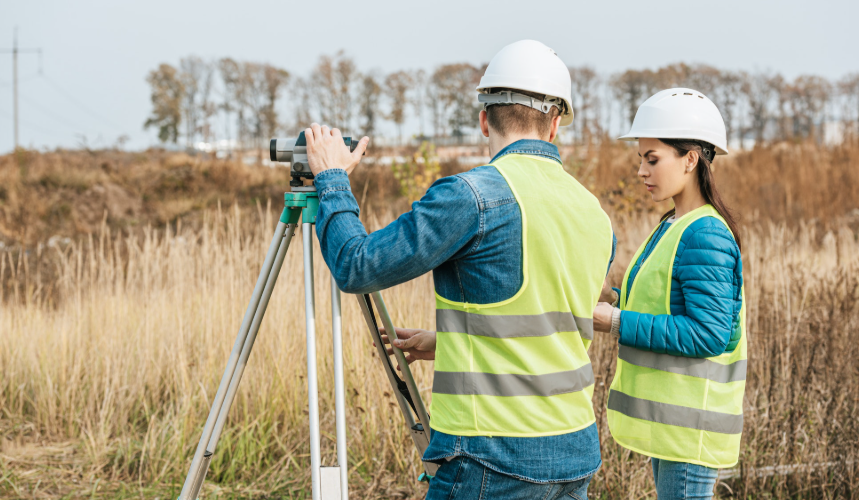
Surveyors review title documents, carry out detailed field measurements, confirm boundary points and place markers on site. They prepare a survey plan that you can use for building work, legal purposes or future projects.
How to prepare for a boundary survey
Provide clear access so the surveyor can reach all boundary points. Any old plans or documents you have may help. If the work is near a shared boundary, it can be useful to notify your neighbour so access is not blocked.
Bottom Line
You should arrange a boundary survey whenever you plan work near a boundary or need clarity about property limits. Early preparation helps avoid delays, supports compliance and prevents disputes. Speaking with a qualified surveyor will give you tailored advice for your specific property.