How to Sell Your Property “As Is” Without Repairs

Selling your home “as is” can save you considerable time and money by avoiding costly repairs and upgrades. This approach is especially appealing for those looking for a quick sale or unable to invest more in the property. Before listing, it’s important to understand each step of the process and how to position your home for optimal results. If you’re considering this route, resources like https://www.theturnerhometeam.com/sell-my-house-fast-concord/ can connect you with buyers who specialize in purchasing homes in any condition.
While selling “as is” is a legitimate option, it requires careful planning and informed decisions. Prospective buyers often expect a lower price and full disclosure of the property’s condition. To protect yourself and ensure a smooth transaction, take the time to learn about disclosure laws and local real estate practices.
One key appeal for buyers interested in “as is” homes is the potential for investment—either by moving in and gradually upgrading or by renovating for resale. When marketing your property, be aware that you’ll probably attract a different group of buyers—often investors or those looking for a fixer-upper.
Your strategies for pricing, marketing, and negotiations can greatly influence how quickly and profitably you sell.
Understand What “As Is” Means
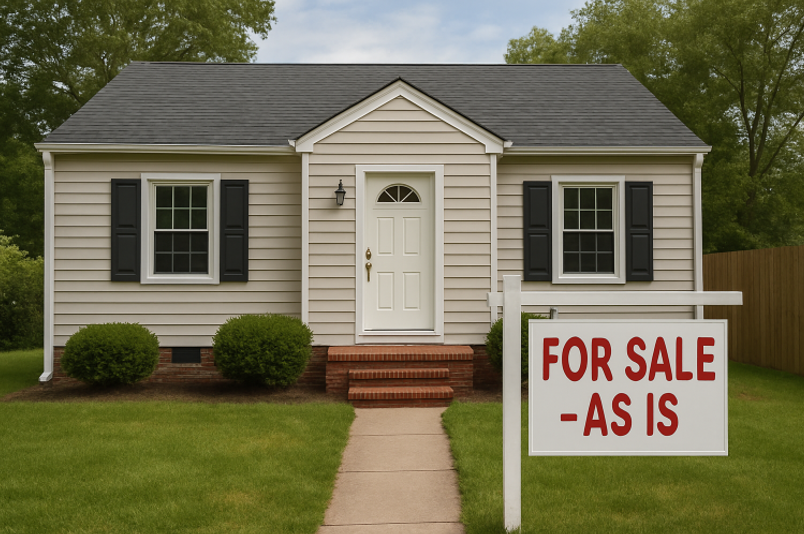
When selling a home “as is,” you’re listing the property in its present condition, with no obligation to fix any issues. The buyer purchases the house with the understanding that what they see (and what is disclosed) is what they get. While this can simplify the process for the seller, it introduces additional responsibility: you must still disclose known material defects in accordance with your state’s laws. Failing to do so can lead to legal trouble after the sale, so it pays to be upfront with buyers. Turner Home Team – North Carolina can help you navigate these disclosures and ensure a smooth, legally compliant sale.
Set a Competitive Price
Competitive pricing is key when selling “as is.” Start with a comparative market analysis (CMA) to see what similar homes in your area have sold for, considering both the property’s strengths and any needed repairs. Understand that buyers typically seek a discount proportional to the amount of work and investment they expect to put in. Pricing too high could scare away serious buyers, while pricing realistically increases your chances of a fast sale. Online tools and local agents can provide valuable insight to inform your decision.
Highlight Potential
Even homes that require significant repairs may boast unique features, such as a desirable location, distinctive architecture, or a large lot. When creating your listing, describe these positives and help buyers visualize the possibilities. Staging rooms—even virtually, with photos showing potential layouts—can inspire buyers and shift the focus from the negatives to the home’s future opportunities.
Consider a Pre-Listing Inspection
Scheduling a pre-listing inspection is optional, but it can offer significant advantages. Not only does it clarify the precise condition of your home, but it also allows you to set the price more accurately and provide buyers with peace of mind. Sharing the inspection report upfront builds trust and demonstrates transparency, both of which are highly valued among “as is” buyers.
Market Effectively
To attract the right buyers, your marketing must be both honest and strategic. Utilize high-quality images, virtual tours, and detailed descriptions. Stress the home’s strengths and potential, but be upfront about the need for repairs. Consider multiple channels, including MLS listings, social media, and investor networks, to reach a broad range of prospects. Working with professionals who understand the “as is” market can maximize exposure and streamline inquiries.
Be Prepared for Negotiations
Buyers interested in “as is” homes often bring contractors or inspectors during showings, and may still request price reductions after their own due diligence. Anticipate this when listing and be prepared to respond to requests for additional credits or concessions. Clear, prompt communication and a willingness to compromise on certain terms can help maintain momentum and close deals more efficiently.
Choose the Right Buyer
Not all buyers are created equal when it comes to purchasing “as-is” properties. Cash buyers or experienced investors often prefer such transactions, as they can offer quick, as-is closings without lengthy financing contingencies. Vet all buyers, whether individuals or investor groups, to ensure they have a trustworthy reputation and a history of successful transactions.
See also: Innovative Trends in Protective Coatings for Modern Industries
Legal Considerations
Legal protection is critical in an “as is” sale. Ensure you comply with all state and local disclosure laws, and work with an experienced real estate attorney to review contracts and disclosures before signing. This not only protects you from future liability but also gives your buyer added confidence in the process.
Navigating an “as is” sale can seem daunting. Still, with solid preparation, transparency, and a strategic approach to pricing and marketing, you can achieve a smooth, successful transaction—even without making repairs.