How Often Should Children See a Dentist?

Regular dental visits are one of the most important steps in protecting your child’s oral health. As children grow, their teeth and jaws develop rapidly, making routine check-ups essential for catching issues early and building strong, lifelong habits. Understanding how often your child should see a dentist can help you support their smile through every stage of childhood.
Why Regular Dental Visits Matter for Children
Children’s teeth are more vulnerable to decay, gum problems, and developmental issues. Early dental visits allow a dentist to monitor how teeth are growing, address concerns before they become serious, and give parents useful guidance on brushing, oral hygiene, and nutrition. Regular care also helps children become familiar with the dental environment, reducing anxiety as they get older.
Recommended Dental Visit Frequency for Children
Most children should see a dentist every six months. This schedule gives the dentist enough time to monitor growth, provide preventive treatments such as fluoride, and ensure small concerns don’t turn into bigger issues. Some children may benefit from more frequent visits, especially those who are prone to cavities, wear braces, or have ongoing oral health concerns. Your dentist can recommend a personalised schedule based on your child’s needs.
What Happens During a Routine Children’s Dental Check-Up
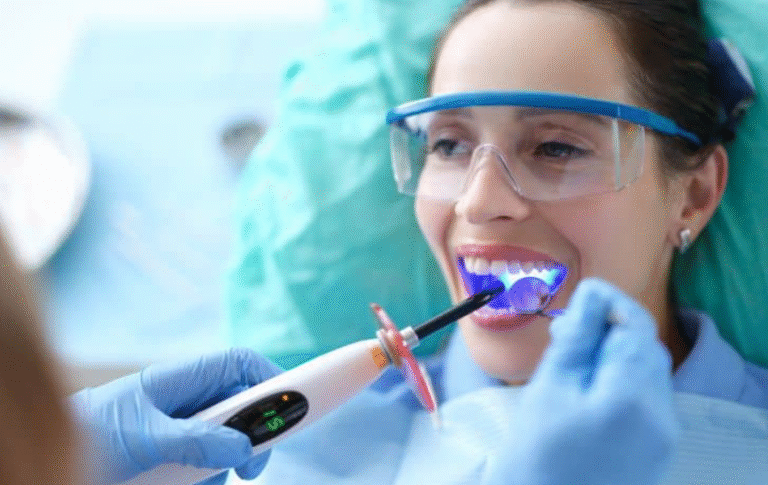
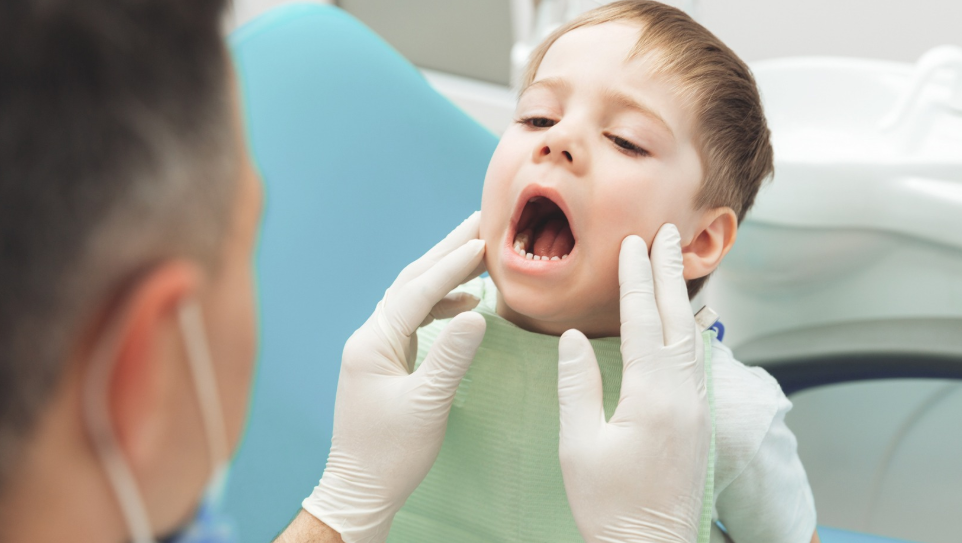
A typical check-up includes an examination of your child’s teeth, gums, and bite development. The dentist may provide a gentle clean to remove plaque and tartar, followed by fluoride treatment to strengthen enamel. During the appointment, children and parents receive practical advice on brushing techniques, flossing, and dietary habits that support healthy teeth. These visits are designed to be comfortable and reassuring, helping children feel relaxed and confident.
See also: Telecommunication Compliance Monitoring Bureau
Signs Your Child May Need to See a Dentist Sooner
Even with routine check-ups, certain symptoms mean your child should see a dentist sooner than planned. Persistent toothaches, sensitivity to hot or cold foods, or visible signs of decay are important warning signs. Bleeding gums or ongoing bad breath can point to gum problems that require attention. If your child experiences dental trauma such as a chipped or knocked-out tooth, prompt care is essential. When in doubt, it’s always best to seek advice from a professional who specialises in paediatric dental care to ensure your child gets the support they need.
Factors That Influence How Often a Child Should Visit
Every child is different, and several factors can influence the ideal visit frequency. Younger children may require more regular monitoring as their baby teeth come through. Kids with a sweet diet, poor brushing habits, or a history of cavities may also need extra appointments. Family history and dental development patterns play a role too. Your dentist will consider these factors when recommending the best schedule for your child.
Preventive Treatments That Support Healthy Smiles
Preventive treatments are an important part of children’s dentistry. Fluoride applications help strengthen enamel, while dental sealants protect the grooves of molars from decay. Early orthodontic assessments can also identify bite or alignment issues before they become more complicated. These treatments reduce the risk of future problems and support long-term oral health.
How Regular Visits Help Reduce Dental Anxiety
The more familiar a child is with visiting the dentist, the more comfortable and confident they become. Regular appointments create positive experiences that build trust, helping to prevent dental anxiety later in life. Paediatric dentists often use gentle communication and child-friendly environments to make young patients feel at ease.
Understanding CDBS and Health Fund Support
Many children in Australia are eligible for the Child Dental Benefits Schedule (CDBS), which provides financial assistance for basic dental services. Check-ups, cleans, fillings, and X-rays may be covered up to a set limit over two years. Private health funds also offer support for children’s dentistry, depending on your level of cover. Understanding these options helps families access routine care with fewer out-of-pocket costs.
Key Takeaways
Regular dental check-ups are key to maintaining strong, healthy teeth throughout childhood. Most children benefit from seeing a dentist every six months, with additional visits when needed. By staying proactive and arranging routine appointments, parents can support their child’s oral health and help them develop positive dental habits for life.