Ultra Fast Charging EV: Revolutionizing the Future of Electric Vehicles

The world of electric vehicles (EVs) is evolving at a breathtaking pace. One of the most transformative advancements in this sector is the development of ultra fast charging EV technology. For years, range anxiety—fear of running out of battery while driving—has been a significant barrier for EV adoption. Ultra fast charging promises to change this landscape, making electric cars not only eco-friendly but also highly convenient and practical for everyday use.
What is Ultra Fast Charging EV Technology?
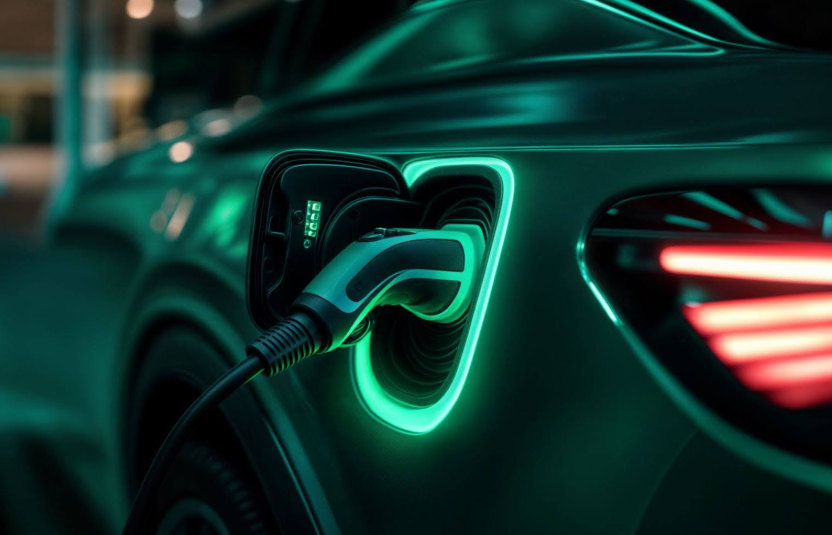
Ultra fast charging EV technology refers to electric vehicles capable of being charged at an extremely high power output, significantly reducing the charging time compared to conventional charging methods. While traditional EV chargers deliver power at around 7–22 kW for home or slow charging, ultra fast chargers can provide power levels of 150 kW, 250 kW, or even beyond 350 kW. This allows an EV to reach 80% charge in as little as 15–20 minutes, making long-distance travel much more feasible.
Key Components of Ultra Fast Charging EVs
- High-Capacity Batteries
Ultra fast charging requires batteries that can safely accept rapid energy influx without overheating or degrading. Modern EV batteries employ advanced lithium-ion chemistries and sophisticated thermal management systems to maintain efficiency and longevity. - Advanced Charging Infrastructure
To enable ultra fast charging, charging stations need to deliver exceptionally high power levels safely. These stations are equipped with liquid-cooled cables and high-voltage systems to manage the intense electrical flow efficiently. - Battery Management Systems (BMS)
A sophisticated BMS monitors the battery’s health, temperature, and charging rate, ensuring that ultra fast charging does not compromise safety or performance. This system dynamically adjusts power input to maximize speed while preventing battery damage.
See also: How Can Colorbond Roofing Improve Weather Protection and Energy Efficiency?
Advantages of Ultra Fast Charging EVs
- Reduced Charging Time
Ultra fast charging transforms the EV experience, bringing charging times closer to traditional refueling times for gasoline vehicles. A typical 15–20 minute charging session can cover up to 80% of a car’s range, ideal for road trips or urban commutes. - Enhanced Convenience
Drivers no longer need to plan long journeys around charging stops. The fast turnaround time provides flexibility similar to conventional cars, making EVs more appealing to a broader audience. - Support for High-Performance EVs
High-performance EVs with larger battery packs require faster charging solutions. Ultra fast charging ensures that even long-range, energy-demanding vehicles can recharge quickly, maintaining efficiency for premium EV segments. - Reduction in Range Anxiety
One of the biggest concerns for EV owners is the possibility of running out of power during long trips. Ultra fast charging significantly alleviates this fear, encouraging more widespread adoption of electric vehicles.
Challenges in Ultra Fast Charging EVs
While ultra fast charging has numerous benefits, several challenges still need to be addressed:
- Battery Degradation: Frequent ultra fast charging can accelerate battery wear if not properly managed. Advanced BMS systems are crucial to mitigate this risk.
- Infrastructure Costs: Setting up ultra fast charging stations is expensive due to high-voltage equipment and cooling requirements.
- Grid Demand: Ultra fast chargers draw significant electricity, which can strain local power grids if not integrated with smart energy management solutions.
Future of Ultra Fast Charging EVs
The future of ultra fast charging is promising. Innovations in battery chemistry, such as solid-state batteries, are expected to support even higher charging speeds without compromising safety or longevity. Additionally, integration with renewable energy sources like solar and wind could make ultra fast charging environmentally sustainable and economically efficient.
As more manufacturers focus on this technology, ultra fast charging EVs are likely to become standard in the next decade, making electric mobility more practical, accessible, and eco-friendly.
Frequently Asked Questions (FAQs)
1. How fast is ultra fast charging compared to normal EV charging?
Ultra fast charging can deliver 150 kW to over 350 kW of power, reducing charging times from several hours (with standard chargers) to just 15–30 minutes for 80% battery capacity.
2. Does ultra fast charging damage the battery?
Modern EVs use advanced battery management systems and thermal controls to safely handle rapid charging. While excessive ultra fast charging may impact long-term battery life, proper management significantly mitigates this risk.
3. Are ultra fast charging stations widely available?
Ultra fast charging infrastructure is growing rapidly, especially in urban areas and along major highways. However, coverage is still expanding globally.
4. Can all EVs use ultra fast charging stations?
Not all EVs are compatible. Only vehicles designed to handle high-power charging can take full advantage of ultra fast charging.
5. How does ultra fast charging affect electricity consumption?
Ultra fast charging requires significant electricity, which can put temporary pressure on local grids. Smart grid integration and renewable energy adoption help manage this demand effectively.
Conclusion
Ultra fast charging EV technology is a game-changer in the electric vehicle industry. By dramatically reducing charging times, improving convenience, and easing range anxiety, it accelerates the adoption of EVs and pushes the world closer to sustainable transportation. While challenges like battery degradation, infrastructure costs, and grid demand exist, continuous innovation in battery technology and charging systems promises a future where EVs are as convenient and practical as traditional vehicles. The era of ultra fast charging is not just a technological advancement—it is a pivotal step toward a cleaner, faster, and more efficient transportation ecosystem.