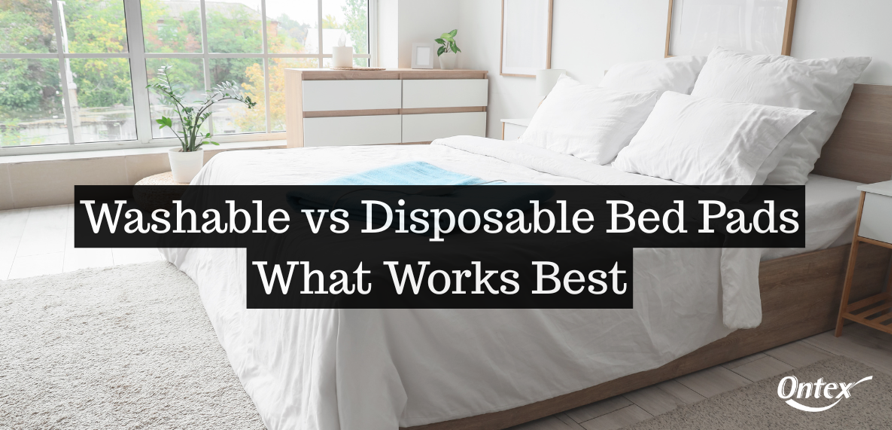
Washable vs Disposable Bed Pads: What Works Best

Washable bed pads are reusable fabric protectors you wash and use again, while disposable bed pads are single-use sheets you throw away after one night. Both do the same job in keeping your mattress dry when overnight accidents happen.
And if you’re dealing with incontinence, you’re far from alone. Around 1 in 4 adult Australians face the same challenge every day. But choosing the wrong bed pad can leave you with leaked sheets, extra washing, and broken sleep.
That’s why we’ve put this guide together. At OntexHealthcare, we’ve helped thousands of Australians work through this decision. Below, we’ll cover absorbency, cost, lifestyle fit, and simple tips to help you choose with confidence.
Let’s begin with the basics.
What Are Washable and Disposable Bed Pads?
Washable bed pads are made from layered fabric with a waterproof backing. You simply place one on top of your sheet, and when it gets wet, you toss it in the washing machine. Most last six to twelve months with proper care, so they’re a reliable long-term choice.

Now if you’d rather skip the washing entirely, disposable bed pads take a different approach. These absorbent sheets are designed for one-time use, which means you simply remove and bin them when soiled. They’re especially useful for travel or busy nights when laundry isn’t an option (and yes, the midnight sheet changes get old fast).
At the end of the day, both options protect your mattress by catching leaks before they soak through. But the real question is whether washing or tossing fits your lifestyle better.
Absorbency and Skin Comfort: What Each Type Offers
Now that you know the basics, let’s look at how each type handles moisture and feels against your skin.
How Disposable Bed Pads Handle Moisture
Disposable bed pads absorb liquid quickly and lock it away from your skin. They use absorbent layers to pull moisture down into a gel-like core, which keeps the surface feeling dry throughout the night. This fast absorption helps reduce skin irritation, especially during longer stretches of sleep.
Through our practical testing, we’ve found that highly absorbent disposable pads work well for heavier leaks. They’re also suitable for both urinary and faecal incontinence, which gives you more flexibility depending on your needs.
Why Washable Pads Suit Sensitive Skin
Washable pads feel softer and gentler against your skin because they use cotton or brushed fabric on top. This soft top layer reduces friction during the night, so there’s less chance of rashes or irritation. If you or someone you care for has sensitive skin, washable options often provide a more comfortable sleep experience.
Pro tip: Absorbency levels can vary by brand, so checking product specs before buying is worth your time.
Cost Comparison: Reusable Bed Pads vs Disposable Underpads
Spending $15 a week on disposable pads adds up to over $780 a year (that’s roughly the cost of a weekend getaway each year). So which option actually saves you money in the long run?
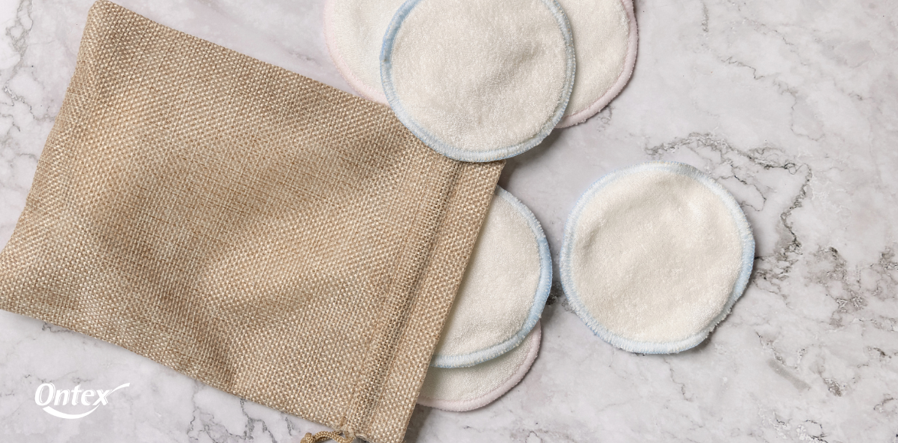
To be honest, the upfront price tag on washable pads can feel steep. A single reusable bed pad costs anywhere from $30 to $80, while a pack of disposable underpads might only set you back $10 to $25. But here’s where the numbers shift.
Disposable bed pads need replacing every week, so those small costs stack up fast. Washable pads, on the other hand, last six to twelve months with regular washing before you need a replacement.
Here’s a quick breakdown for your convenience:
| Factor | Disposable Bed Pads | Washable Bed Pads |
| Upfront cost | $10–$25 per pack | $30–$80 per pad |
| 12-month cost | $520–$780+ | $60–$160 (with replacement) |
| Ongoing expense | Weekly purchases | Washing + occasional replacement |
When you look at the full year, reusable bed pads are the more cost-effective choice for most households. The savings add up, especially if you’re managing incontinence long-term.
See also: The Importance of Seasonal HVAC Tune-Ups in Arizona’s Desert Climate
Which Bed Protectors Fit Your Daily Routine?
Disposable bed protectors suit busy lifestyles, while washable bed protectors work better for households with regular laundry routines.
Here’s how the two options fit into everyday life:
- Quick Cleanup: Disposable bed protectors are better if you’re short on time or caring for someone else. You just remove the soiled pad, bin it, and place a fresh one down. There’s no washing involved, which makes overnight accidents easier to handle (we hear this from carers all the time). They also work well for travel or nights away from home.
- Regular Laundry: If your household already runs the washing machine a few times a week, washable bed protectors fit right in. After a wet night, you toss the pad in with your normal load and reuse it once dry. This option works well for adults and children who need ongoing protection without the weekly cost of disposables.
Ultimately, the right choice comes down to how much time and energy you have each week.
Mattress Protectors, Flat Sheets, Chair Pads, and Other Products
Did you know bed protection products do more than guard your mattress? They work beyond the bedroom to keep your whole home covered. Let’s start with the bed itself.
Mattress protectors wrap around your whole mattress and create a waterproof barrier beneath your fitted sheet. This keeps your mattress dry even if a bed pad shifts during the night. Some styles also have tuck-ins that hold everything in place, so you don’t wake up to bunched fabric.
From there, it’s easy to expand your setup. From our firsthand experience, chair pads are just as helpful during the day. They protect sofas, recliners, and car seats from unexpected leaks or everyday spills. Plus, you can add waterproof pillow protectors and flat sheets for extra covering when needed.
These extra products make daily life easier, and when you layer them together, accidents become far less stressful to deal with.
How to Choose the Right Bed Protection for You
With all these options in mind, here’s how to narrow down what actually works for your situation.
Start by thinking about your nightly absorbency needs. If leaks are light, a standard washable pad will usually do the job. But for heavier incontinence, a highly absorbent disposable bed pad may give you better protection and a drier sleep.
It usually comes down to three things: absorbency, budget, and lifestyle. After helping hundreds of Australians find the right fit, we’ve seen most people settle on a mix of both types. Since disposables work well for travel or busy nights, while washables handle the routine at home.
If you’re still confused, try one of each and see what feels right. There’s no single answer that suits everyone, so permit yourself to experiment until you find what gives you confidence and a good night’s sleep.
Sleep Dry, Stress Less: Your Next Step
Finding the right bed protection doesn’t have to be stressful. Because no matter which you choose, the goal is simple: dry nights and a setup that works for you.
At Ontex Healthcare, we’re here to help you get there. We stock a wide range of bed pads, mattress protectors, and chair pads to suit different needs and budgets. And if you’d like to talk things through, the National Continence Helpline offers free, confidential support on 1800 33 00 66.
You deserve restful sleep without the worry. Browse our range today and find what works best for your situation.